Girls Talk/Boys Talk: Gaining the life skills to plot out a course to success
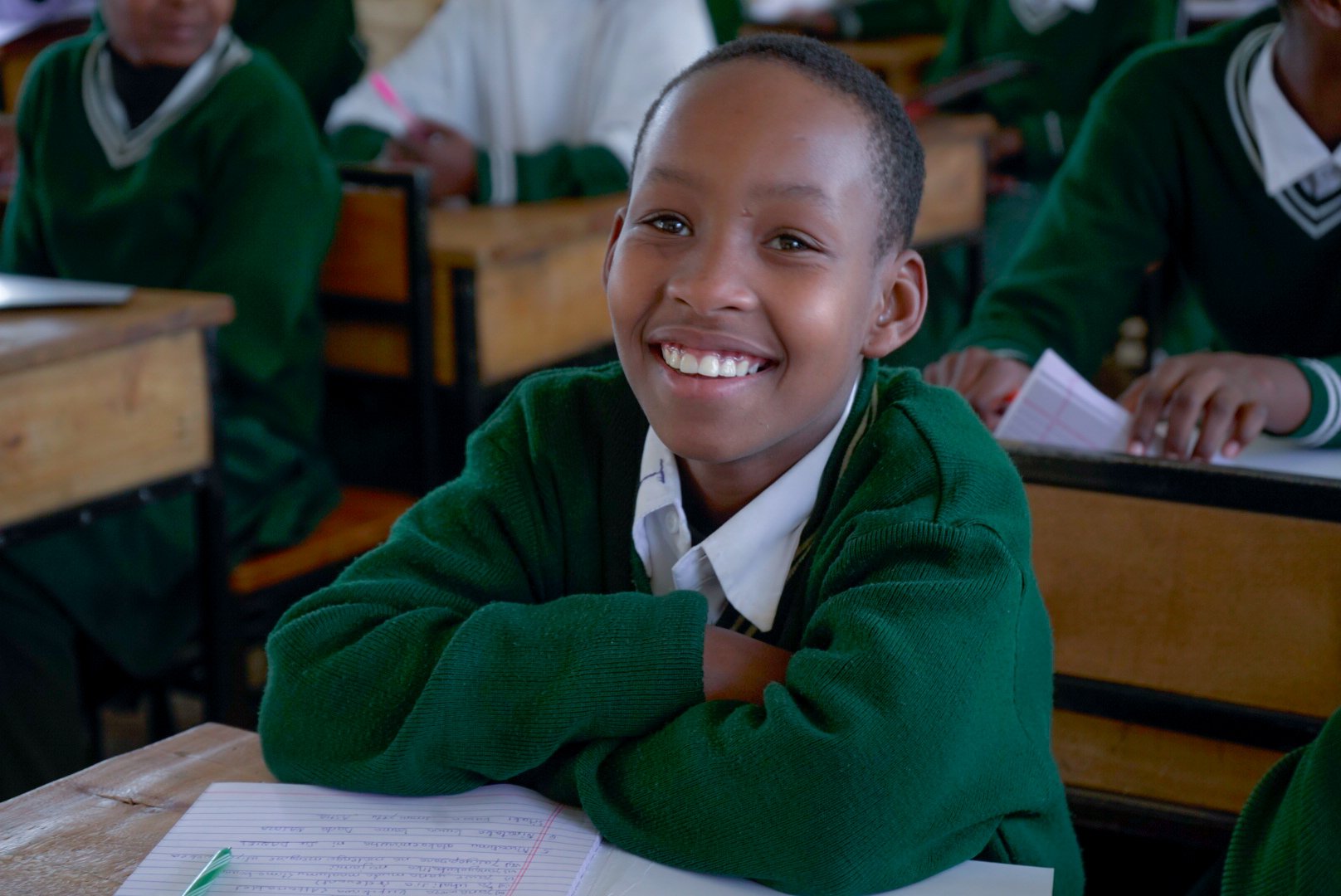
At a recent Girls Talk training at Migugani Secondary School, Naiputa shared her ambition: “My dream is to become a nurse to help my fellow Maasai community become educated and help mothers during pregnancy.”
Mwangaza began Safe Schools programming at Migugani only this year. However, students are already confidently stating their dreams and gaining the life skills to plot out a course to success.
“I learned how to avoid various challenges and protect myself to reach my dreams,” Rehema shared.
“To have self confidence, to protect myself, to respect myself, to never give up,” another Migugani student, Maria, chimed in.
For 30 years — since 1996 — Mwangaza has partnered with schools in Tanzania to create safe learning environments. Mwangaza equips the whole school with trainings on non-violence, from students and teachers to support staff and parents.
Girls Talk and Boys Talk are school-based trainings for students, part of Mwangaza’s larger Safe Schools program. The training engages students with setting goals, developing a growth mindset, overcoming conflict using nonviolence, and supporting gender equity at school and in their community.
While Mwangaza Peace Clubs tend to involve about 60 to 100 students from each school, Girls Talk and Boys Talk can engage 200 to 300 during each two day training, reaching more students. During the training, girls gather together as one group, and boys as another. Although the topics are the same, grouping students by gender allows Mwangaza staff to focus on the unique issues faced by each.
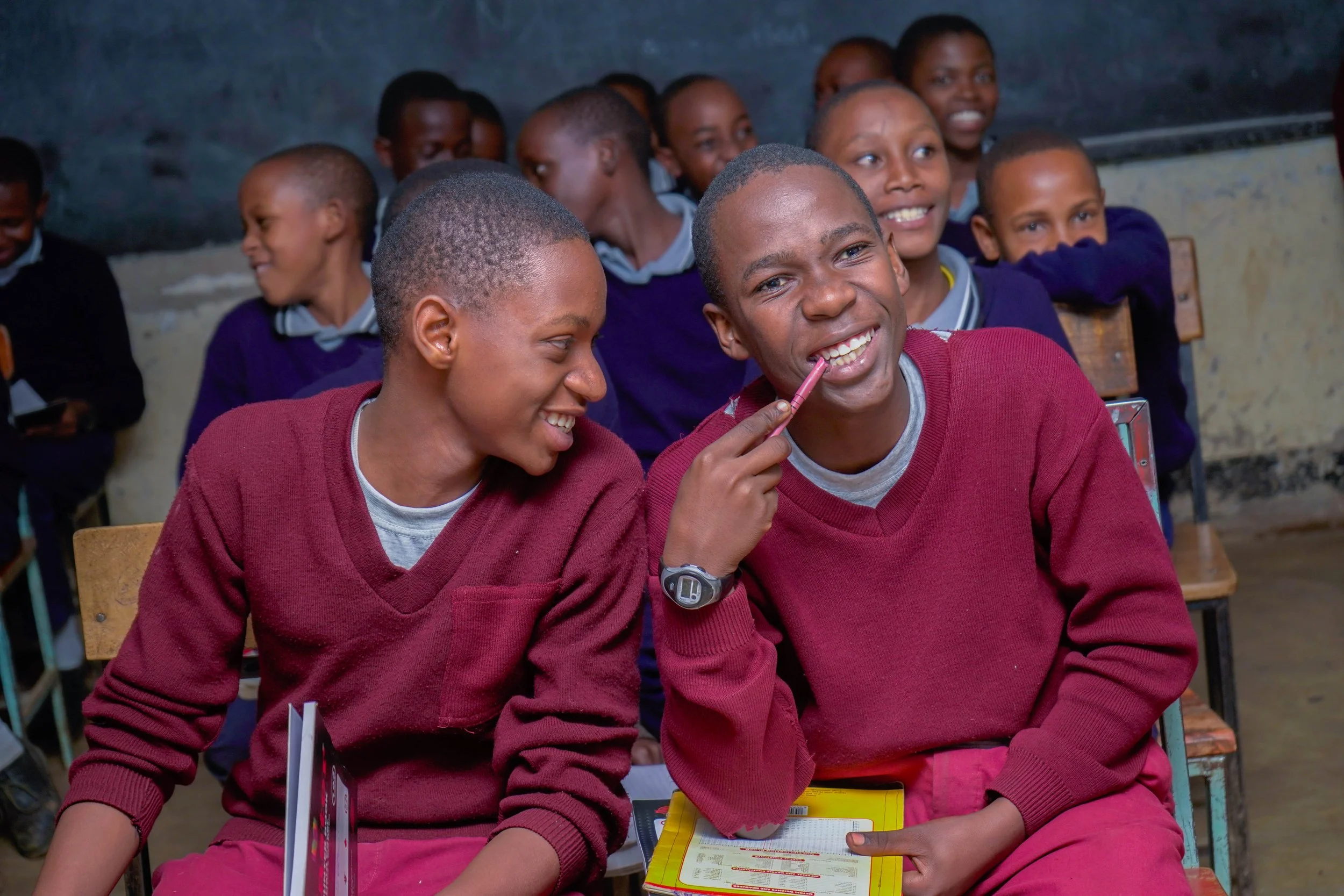
Salome Lally, Mwangaza senior program coordinator, sees the value in this. “Students are more comfortable talking about sensitive topics such as gender-based violence and women’s health when they are separated,” she said. A key part of Boys Talk is to empower boys to support the safety of women and girls.
During a recent Boys Talk training at Rift Valley Secondary School, 240 students discussed choosing positive mentors, building self-reliance, and navigating life’s inevitable challenges.
“There are hurdles on our paths to success,” John Kavishe, Mwangaza senior program coordinator, told the boys. “If you don’t see what’s happening, you trip and fall,” he said, pretending to stumble over a chair in his path. As he moved the chair out of his way, he added, “If you see the obstacles beforehand, you remove them.”
Students are being set on a life course to lead with integrity, protect one another, and be beacons of nonviolence at school, at home, and in their communities.
Mwangaza is helping to set students on this path towards fulfilling their dreams. Whether it is to become a nurse and help her community like Naiputa dreams, or simply to live a happy and meaningful life, each of these student’s dreams matter.
There are currently 10 schools involved in the Girls Talk and Boys Talk campaign. Mwangaza has been able to reach over 1,550 girls and 1,525 boys with this important training so far. Each Girls Talk and Boys Talk training costs around $950 — or $4 per student.
These schools are relying on friends like you to continue - and grow - this program. To reach an additional 5,000 students, $20,000 is needed. Please consider supporting Mwangaza today so it can continue to provide Girls Talk and Boys Talk, and transform students into leaders in nonviolence.
Your gift to Mwangaza helps young leaders set goals, develop a growth mindset, overcome conflict, and work towards gender equality. Thank you for helping Girls Talk and Boys Talk continue.